
Pelvic Habits is an educational resource. Nothing here is medical advice, diagnosis, or a promise of any result. Talk to a qualified professional about your own situation.
Everyday Habits That Support Pelvic Floor Work
Kegels take a few minutes a day. The other twenty-three hours matter too. Posture, sitting, hydration, movement breaks, and sleep shape the load on the pelvic floor and the muscles around it. None of these habits is a treatment, and none replaces the exercises.
A steady routine reads better as a table
Nothing below is a schedule to obey. It is a way of seeing where the hours go, so the few minutes of pelvic floor work sit inside a day that is already doing something useful for the same region.
The two right-hand columns are a rough picture of the day, not a target. Treat them as a sketch you can redraw to match your own working hours.
Posture is a habit you practise all day
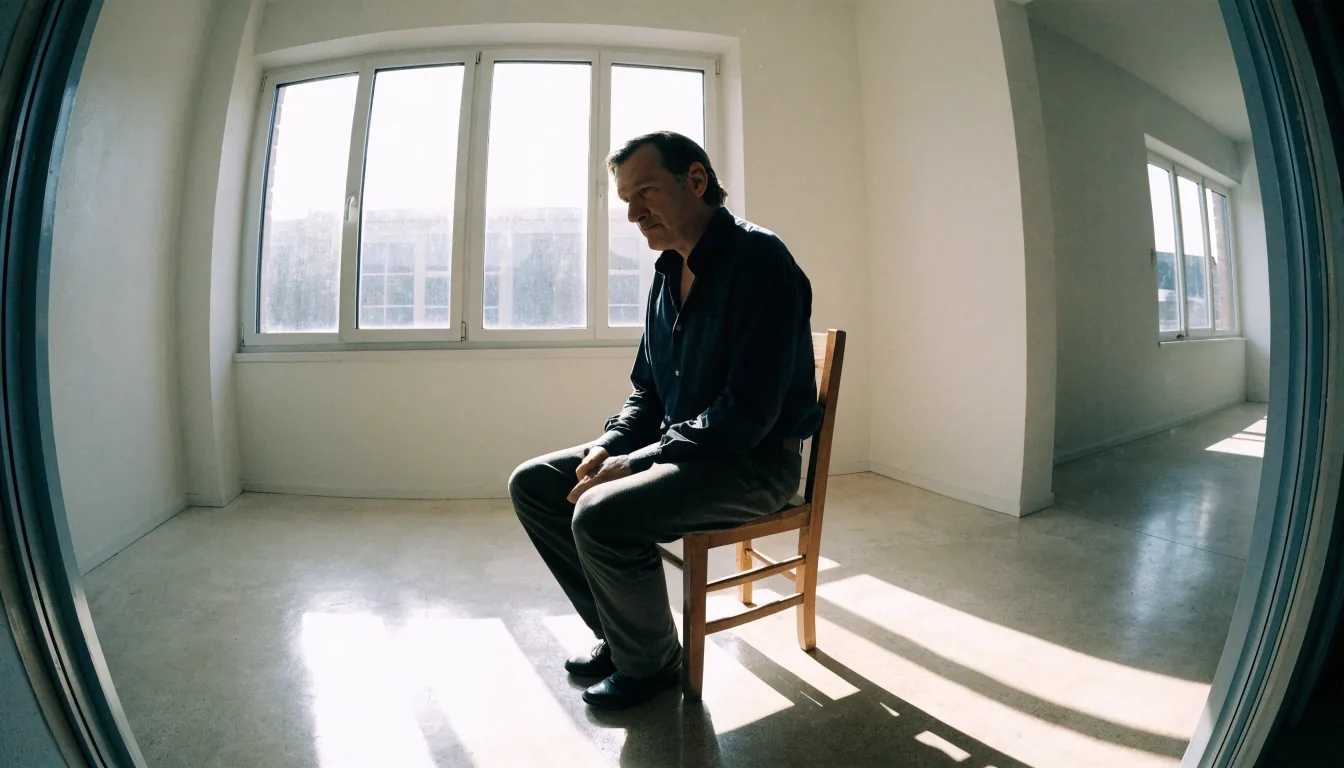
Sitting slumped for hours puts the pelvis in a position where the pelvic floor is compressed and the lower back does more work. A neutral sit, with the feet flat, the hips level, and the lower back supported, is easier on the whole region.
You do not need perfect posture at every moment. You need enough variation that no single position is held for six hours straight.
Sitting, and the problem with long hours
Office work, commuting, and long calls all add up. In Indonesia, the mix of a long commute and a desk-based day is common, and it produces a lot of uninterrupted sitting.
Stand up once an hour if you can. Even a thirty-second stand and a slow walk to the kitchen resets the load. If you cannot leave your desk, a brief standing stretch at the edge of it still counts.
Hydration without overthinking it
Drinking water steadily through the day is more useful than drinking a large amount in one go. Strong, concentrated urine is irritating to the bladder, and the common habit of restricting fluids to avoid toilet breaks tends to backfire.
Aim for pale yellow urine as a rough day-to-day marker. If you are managing a bladder concern, ask a professional about fluid timing rather than cutting fluids overall.
Movement breaks and light activity
The pelvic floor responds well to general movement, not only to Kegels. Walking, gentle stretching, and standing up often are low-effort and low-risk. If you already exercise, keep going; there is no need to stop training the rest of your body.
Just avoid holding your breath under heavy load, and check with a physiotherapist if a particular lift or exercise causes pelvic discomfort.
Short walks through the day
Standing stretches at the desk
Breathing without bracing the abdomen
Same bedtime, most nights
Sleep and the routine
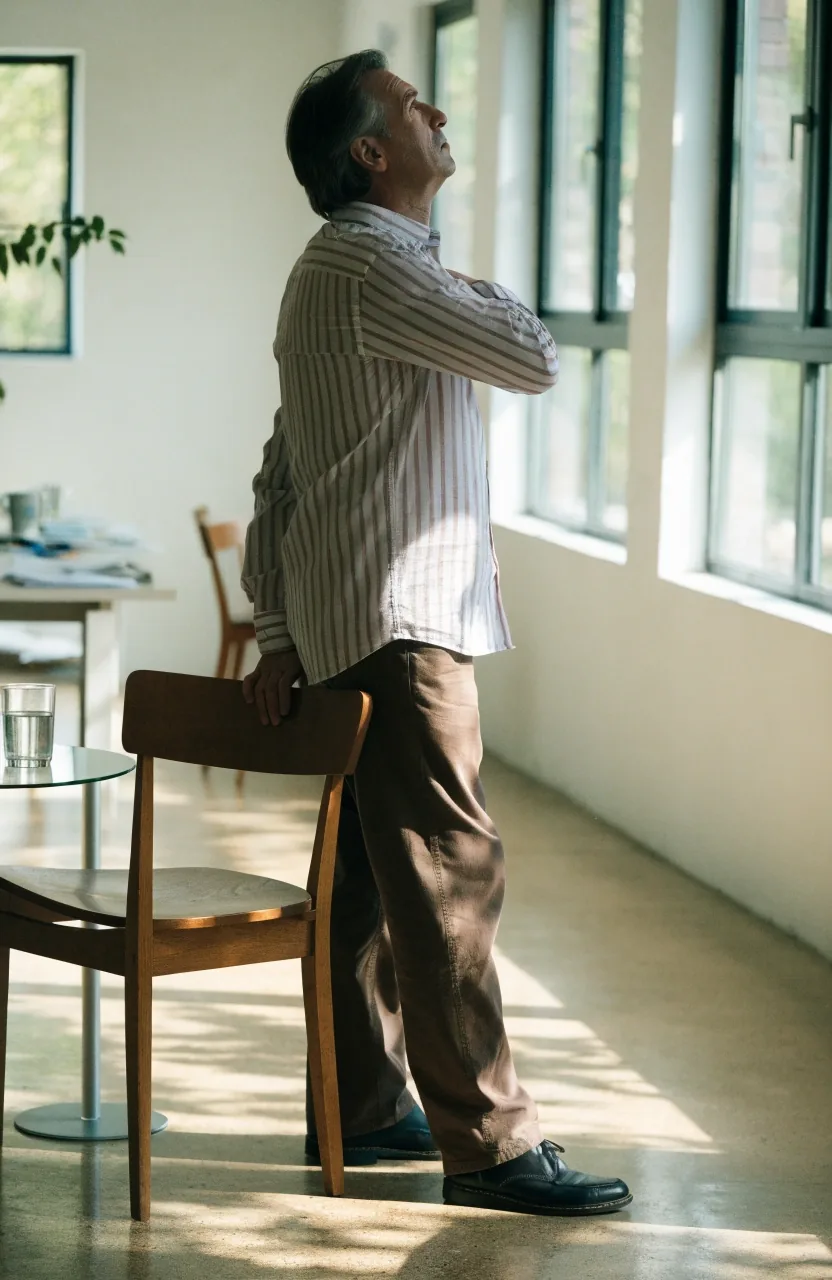
A tired body learns new physical skills slowly. Pelvic floor training is a coordination task as much as a strength task, so a night of poor sleep makes the squeeze feel less clear the next morning. This is not a reason to skip practice, but it is a reason not to judge your progress from a single bad day. Aim for a consistent bedtime rather than an ambitious one.
Toilet habits worth noticing
Two habits are worth attention. The first is straining to pass a bowel movement, which adds pressure to the pelvic floor. The second is hovering or rushing on the toilet, which leaves the muscles tense. Sitting properly, taking your time, and responding to the urge rather than ignoring it are all small changes. If you regularly strain or feel that you cannot empty your bladder fully, that is a reason to see a professional.
Caffeine, alcohol, and bladder irritation
Caffeine and alcohol can irritate the bladder in some people. This is not a universal rule, and it is not a reason to cut either out entirely. If you notice a clear pattern between coffee, alcohol, and urinary urgency, adjust the timing or the amount and see whether anything changes. Track it for a week rather than judging from one evening.
One week of notes, not one evening of judgment.
Timing and amount, both worth adjusting.
Weight, general fitness, and load on the pelvic floor
Carrying extra weight adds to the load the pelvic floor manages, in the same way it adds to the load on the knees. This is a background factor, not a moral one, and it is not a reason to delay starting the exercises. Gentle activity, walking, and a steady routine all help. If you want to change weight, a GP or dietitian is the right person to speak to.
Five anchors, one column each weekday. The point is noticing what your own week looks like, not matching a target.
Stress and the muscles you do not notice
Many men hold tension in the pelvic floor without realising it. Long periods of stress, a tense jaw, or a habit of bracing the abdomen all tend to show up here. A short check-in once or twice a day, taking a slow breath and letting the pelvic floor soften, is a simple way to notice what the muscles are doing. If you cannot let go, that itself is worth mentioning to a physiotherapist.
The check-in takes less time than making coffee. What it buys is information about what the muscles are doing between sets, which is the part that never shows up in a rep count.
Things readers ask before starting
If your question is about your own situation, a physiotherapist or GP is the right person to ask. These answers are general.
Do I need to hold perfect posture all day?
No. What matters more is variation. A neutral sit with feet flat and the lower back supported is easier on the region, but the goal is to avoid one position held for hours without a break.
Should I drink less water to avoid toilet breaks?
Restricting fluids usually backfires, because concentrated urine irritates the bladder. Steady drinking through the day is easier on the system. If you are managing a bladder concern, ask a professional about timing rather than cutting fluids overall.
Do these habits replace the exercises?
No. They are the background conditions that make a routine easier to keep. The pelvic floor exercises themselves still need their own few minutes in the day.
If a day goes badly, should I start over?
No. Sleep, stress, and long sitting days all affect how clear the squeeze feels. One rough day is information about that day, not a verdict on your progress.
When is it time to see someone in person?
If you regularly strain, feel you cannot empty your bladder fully, or cannot soften the muscles when you try, that is a reason to ask a physiotherapist or GP. Pelvic discomfort during exercise is also worth a check.
Where to go next
Habits set the background. The routine and the mistakes are worth reading next, and if something in your own body is not settling, the in-person help page explains when a physiotherapist or GP is the right step.
- Jl. Jenderal Sudirman No. 52, Jakarta Pusat, DKI Jakarta 10220, Indonesia
- [email protected]
- +62 21 538 3923
- Monday to Friday, 9:00 AM – 6:00 PM (WIB)